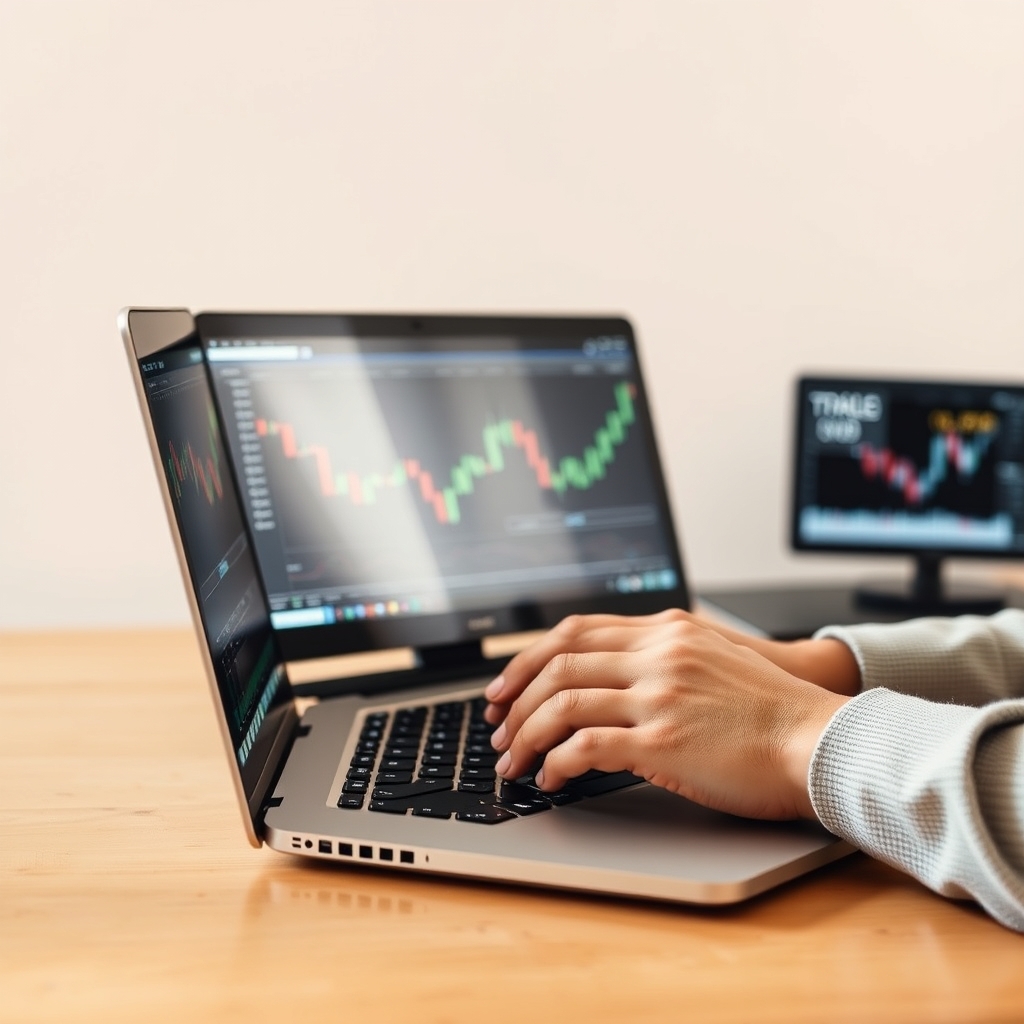
Scalping means taking many short trades for small price moves, often holding for seconds to a few minutes. Scalping signals promise that pace without the screen time. The catch is that the pace is exactly what makes scalping expensive and easy to overdo. This guide covers how to use scalping signals selectively, so costs and impulse don't quietly eat the edge, if there is one. Nothing here is a promise of profit, and most short-term traders lose money.
Why Scalping Signals Are Harder Than They Look
Small targets mean costs matter far more. If a signal aims for 5 pips and your spread plus slippage is 1.5 pips, a large share of the potential gain is gone before the trade starts. Add delays between when a signal is sent and when you act on it, and the entry you get may differ noticeably from the one posted.
- Spread and commission: a fixed cost on every trade, win or lose.
- Slippage: worse fills when price moves fast, especially around news.
- Latency: the gap between signal, your decision, and your execution.
- Decision fatigue: more alerts mean more chances to take a poor one.
What Overtrading Looks Like
Overtrading is taking trades that don't meet your own criteria, or taking so many that your risk stacks up unnoticed. Common signs:
- Taking a signal because you're bored or want to "make back" a loss.
- Entering late, after price has already moved, because you fear missing out.
- Several open trades on correlated pairs (for example EUR/USD and GBP/USD), which is effectively one larger bet.
- Increasing size after losses.
A Practical Framework for Trading Scalping Signals
1. Set hard daily limits before the session
Decide your maximum number of trades and maximum daily loss in advance. A common approach is to stop after a fixed number of losses in a row or when a set percentage of the account is lost. The exact numbers are personal; the point is that they're written down and not renegotiated mid-session. See how much to risk per trade when following forex signals for a starting point.
2. Size every trade from the stop, not from feeling
Tight stops tempt people to use large positions. Keep risk per trade small and fixed, then derive the lot size from the stop distance. Our guide on calculating lot size for a forex signal walks through it, and forex risk management and position sizing goes deeper.
3. Filter signals by session
Scalping depends on tight spreads and steady liquidity. These are usually best when major sessions are active, particularly during overlaps, and often worse in thin late-day markets. Check your broker's actual spreads rather than assuming. More in best forex trading sessions and hours for signal quality.
4. Check the risk-reward after costs
Take the signal's stop and target, then subtract spread and expected slippage. A setup that looks like 1:1.5 may be closer to 1:1 once costs are included, which requires a higher win rate to break even. See what a good risk-reward ratio looks like.
5. Skip or sit out news
Spreads widen and prices gap during major releases, and stops can fill far from where you set them. Many scalpers simply stand aside. Read whether to trade signals during high-impact news before deciding your own rule.
6. Skip entries that have already moved
If price is well past the posted entry, the risk-reward is different from what the provider intended. Passing is a valid decision.
 Recommended for youForex Risk Management and Position Sizing for Signal Traders
Tradeoffs to Accept
| Approach | Upside | Downside |
|---|---|---|
| Take every scalping signal | Full exposure to the provider's method | High costs, fatigue, stacked risk |
| Filter by session and cost | Fewer, cleaner trades | You'll miss some winners |
| Hold longer-term instead | Costs matter less per trade | Overnight and weekend exposure; see holding over the weekend |
Test Before You Commit Real Money
- Record each signal's posted entry, stop, and target, plus your actual fill.
- Run it on a demo or very small size for a meaningful sample, such as several weeks.
- Compare results after spread, commission, and slippage.
- Note which sessions and pairs performed best, and which trades you took out of impulse.
Be cautious of any provider that implies consistent profits or hides losing trades. Past results, even real ones, don't predict future outcomes.
Small Accounts and Beginners
Scalping costs weigh heaviest on small accounts, and minimum lot sizes can force oversized risk. If that's your situation, read how to trade forex signals with a small account and beginner forex strategies that work with trading signals. Slower strategies are often more forgiving while you learn. For the wider picture, see strategies, risk and sessions for signal traders.
Choosing a Signal Service
If you want to compare scalping-oriented providers, look at the review and comparison pages on Signal Compass. Judge them on transparency of track records, how entries and exits are communicated, delivery speed, and costs. Confirm current pricing, features, and terms on each provider's official site, as these change.
Risk note: Forex and leveraged products carry a high risk of loss, and you can lose more than you expect. Consider speaking with a licensed financial professional if you're unsure whether trading suits your situation.
Keep reading
 Best Forex Trading Sessions and Hours for Signal QualitySignal quality isn't only about who sends the signal. It also depends on when the trade is live. Th…
 Beginner Forex Strategies That Work With Trading SignalsTrading signals can shorten the path from idea to entry, but they don't replace a method. A signal…
 How to Trade Forex Signals With a Small AccountA small account changes how you should use signals. It doesn't make them useless, but it narrows yo…