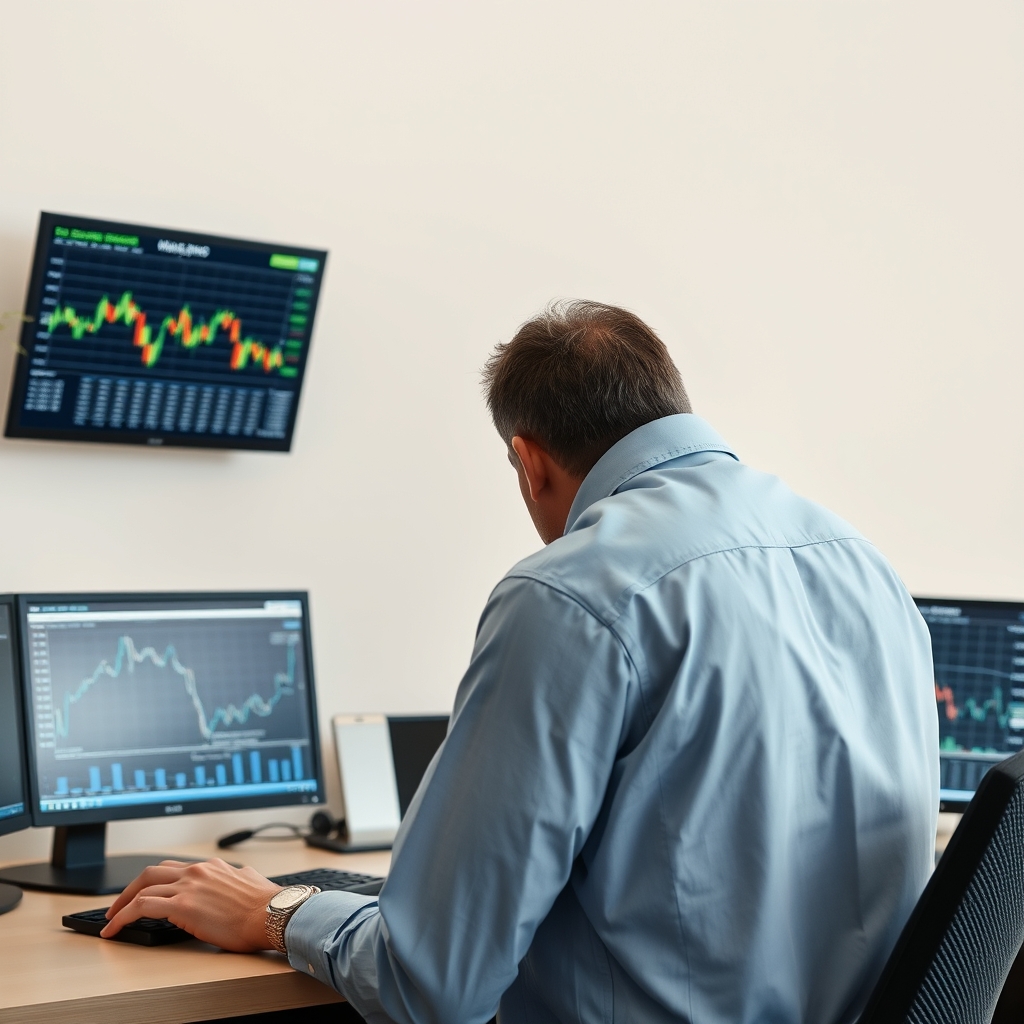
Every forex signal you receive started somewhere: a person's chart read, a rules-based script, a piece of software, or some mix of the three. Knowing which one is behind a provider's alerts tells you a lot about how much to trust them. This guide covers the main methods, the weak points of each, and how to check a provider before you follow anything. Nothing here is financial advice, and no signal method removes the risk of loss. If you're unsure whether leveraged trading suits your finances, speak with a licensed professional.
If you're new to the format, start with How Forex Trading Signals Work, then come back here for what happens behind the scenes.
The Four Main Ways Signals Get Made
1. Manual technical analysis
A human analyst reads charts: support and resistance, trendlines, candlestick patterns, moving averages, RSI, and similar tools. They pick a setup, then define entry, stop-loss and take-profit levels.
- Strength: Can account for context, such as a thin market or a nearby high-impact event.
- Weakness: Subjective and inconsistent. Quality depends on one person's skill and mood, and results are hard to reproduce.
2. Fundamental and news-driven analysis
Here the signal comes from interest rate expectations, central bank statements, inflation or jobs data, and geopolitical events. These signals are often short-lived and fast-moving.
- Strength: Captures the reason behind a move, not just its shape.
- Weakness: Spreads widen and slippage spikes around news. By the time you receive the alert, the move may be over.
3. Algorithmic or automated systems
A script or expert advisor scans markets against fixed rules and fires an alert when conditions match. Some providers call this "AI". Treat that label as a claim to verify, not a feature in itself.
- Strength: Consistent and rule-based, so it can be tested on historical data.
- Weakness: A strategy tuned to past data (overfitting) can look brilliant in backtests and fail live. Rules also break when market conditions change.
4. Copy-trading or hybrid models
Some providers publish trades from their own accounts, or blend automated scanning with human review. Hybrids can combine the strengths of both, but they can also hide which part is doing the work.
Comparison at a Glance
| Method | Consistency | Main risk | What to ask the provider |
|---|---|---|---|
| Manual technical | Varies by analyst | Subjectivity | Is there a written, repeatable approach? |
| News/fundamental | Varies | Slippage, late delivery | How fast are alerts sent around events? |
| Algorithmic | High | Overfitting, regime change | Is there live, verified performance? |
| Hybrid/copy | Varies | Unclear process | What is automated and what is human? |
What a Complete Signal Contains
However it's produced, a usable signal should give you a pair, a direction, an entry, a stop-loss and at least one take-profit. Our guide to reading a forex signal walks through each part. Two details trip people up often: the order type, covered in buy limit vs buy stop, and staged targets, explained in what TP1, TP2 and TP3 mean.
 Recommended for youHow to Read a Forex Signal: Entry, Stop-Loss and Take-Profit Explained
Why Your Results Won't Match the Provider's
- Delay: Even a few minutes can change your entry. See whether to enter a signal after price has moved.
- Spreads and commissions: Your broker's costs may differ from the provider's.
- Position sizing: The provider's risk per trade may not be yours.
- Selective reporting: Showing only winners is a common marketing tactic.
How to Vet a Provider: Practical Steps
- Ask how signals are produced. Vague answers like "proprietary AI" without any explanation are a warning sign.
- Look for a full track record that includes losing trades, ideally verified by a third party, not screenshots.
- Check risk per trade. Signals with no stop-loss, or with huge stops, deserve caution.
- Be wary of guarantees. Anyone promising profits or "no losing months" is misrepresenting how markets work.
- Trial on a demo account first and log every signal, including the ones you skip, for several weeks.
- Risk only a small, fixed percentage per trade that you can afford to lose.
- Confirm current pricing, features and terms on the provider's official site, since these change.
The Honest Tradeoff
Signals can save you analysis time and offer ideas, but they don't replace judgment or risk management. The more a provider explains its method and shows its losses, the easier it is to judge. When you're ready to compare services side by side, use the Signal Compass review and comparison pages, and always verify details directly with each provider before paying for anything.
Keep reading
 What do TP1, TP2 and TP3 mean in a forex signal?TP1, TP2 and TP3 are three separate take-profit levels, usually placed at increasing distances from…
 What is the difference between buy limit and buy stop in a forex signal?A buy limit is a pending order to buy at a price below the current market, so you enter on a pullba…
 Should you still enter a forex signal if the price has already moved?Sometimes, but only if the trade still makes sense from the current price. Judge the signal by wher…